Introduction
In today’s digital world, lunchnewsletter has become an essential tool for businesses, creators, and marketers who want to stay connected with their audience. A well-crafted lunchnewsletter helps brands share updates, promote products, and build long-term relationships with subscribers. Whether you run a small business, a blog, or an online store, creating an effective lunchnewsletter can dramatically improve your communication strategy.
Many companies now rely on lunchnewsletter campaigns to increase website traffic, generate leads, and improve customer loyalty. The best part is that a properly optimized lunchnewsletter can deliver high returns with minimal investment. In this guide, you will learn everything about creating, optimizing, and growing a successful lunchnewsletter.
What Is Lunchnewsletter and Why Is It Important?
The term lunchnewsletter refers to an email-based communication strategy used to share valuable information with subscribers during lunchtime or regular business hours. A lunchnewsletter often includes company updates, industry news, promotions, educational content, and special offers.
Businesses use lunchnewsletter campaigns because they provide direct access to their audience without relying entirely on social media algorithms. Unlike social media posts that disappear quickly, a lunchnewsletter lands directly in the subscriber’s inbox, increasing visibility and engagement.
Another reason why lunchnewsletter is important is personalization. Brands can customize content based on customer preferences, interests, and behavior. This personalized approach makes the lunchnewsletter more effective and engaging for readers.
Benefits of Using Lunchnewsletter for Businesses
A professional lunchnewsletter offers several advantages for businesses of all sizes. One major benefit of lunchnewsletter campaigns is increased customer engagement. Regular communication helps businesses stay fresh in the minds of subscribers.
Another advantage of lunchnewsletter marketing is improved website traffic. When readers click links inside a lunchnewsletter, they are directed to blogs, products, or landing pages, increasing overall online visibility.
Cost-effectiveness is another key benefit of lunchnewsletter campaigns. Compared to traditional advertising methods, a lunchnewsletter is affordable and provides measurable results. Businesses can track open rates, click-through rates, and conversions to improve future campaigns.
A strong lunchnewsletter also helps establish authority in a specific niche. By consistently sharing valuable content, businesses build trust and credibility with their audience.
How to Create an Effective Lunchnewsletter
Creating an engaging lunchnewsletter starts with understanding your target audience. Before writing a lunchnewsletter, identify the interests, problems, and preferences of your subscribers.
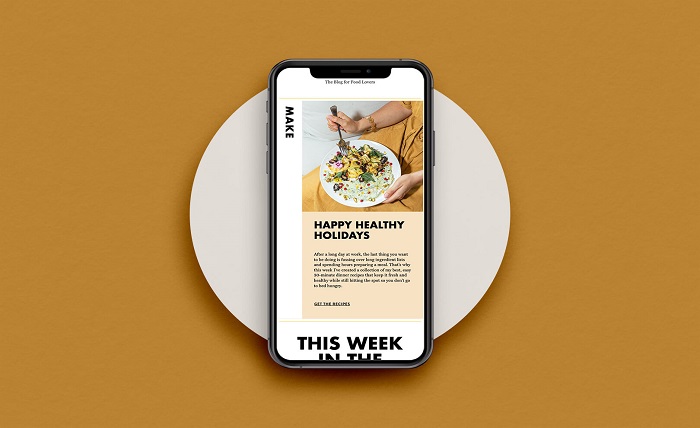
The next step in building a successful lunchnewsletter is choosing an attractive design. A clean layout, readable fonts, and visually appealing images make the lunchnewsletter easier to read and more professional.
Content quality is essential for every lunchnewsletter. Your email should provide useful information, tips, or offers that encourage readers to stay subscribed. Avoid overly promotional language because subscribers value informative and engaging content.
An effective lunchnewsletter should also include a clear call-to-action. Whether you want readers to visit your website, purchase a product, or read a blog post, your lunchnewsletter should guide them toward the desired action.
Best Practices for Writing Lunchnewsletter Content
Writing high-quality lunchnewsletter content requires creativity and strategy. The subject line of a lunchnewsletter is the first thing subscribers see, so it should be short, compelling, and relevant.
Personalization can significantly improve lunchnewsletter performance. Using the subscriber’s name and tailoring content to their interests makes the lunchnewsletter feel more personal and engaging.
Consistency is another important factor in lunchnewsletter success. Businesses should maintain a regular schedule so subscribers know when to expect the next lunchnewsletter.
A mobile-friendly design is critical because many people read lunchnewsletter emails on smartphones. Responsive layouts ensure that the lunchnewsletter looks good on all devices.
Finally, testing different versions of a lunchnewsletter can help improve results. A/B testing subject lines, images, and calls-to-action allows marketers to identify what works best.
Common Mistakes to Avoid in Lunchnewsletter Campaigns
Many businesses fail to maximize the potential of lunchnewsletter marketing because they make avoidable mistakes. One common issue is sending too many emails. Overloading subscribers with constant lunchnewsletter messages may lead to unsubscribes.
Another mistake in lunchnewsletter campaigns is poor content quality. Subscribers lose interest when a lunchnewsletter lacks value or contains repetitive information.
Ignoring analytics is another major problem. A successful lunchnewsletter strategy requires monitoring open rates, click-through rates, and engagement metrics to identify areas for improvement.
Using misleading subject lines can also damage trust in a lunchnewsletter campaign. Honest and transparent communication helps maintain credibility with subscribers.
Lastly, failing to segment audiences can reduce lunchnewsletter effectiveness. Different subscriber groups may have different interests, so personalized targeting improves engagement.
Tools and Platforms for Lunchnewsletter Marketing
Several platforms can help businesses manage lunchnewsletter campaigns efficiently. Popular tools like Mailchimp, ConvertKit, and Constant Contact simplify the process of creating and sending a lunchnewsletter.
These platforms offer automation features that allow businesses to schedule lunchnewsletter emails in advance. Automation saves time and ensures consistency.
Analytics tools are another valuable feature of lunchnewsletter software. Marketers can track performance metrics and optimize future lunchnewsletter campaigns based on real data.
Templates provided by these platforms also make designing a lunchnewsletter easier for beginners. Businesses can create professional-looking emails without advanced design skills.
Choosing the right platform depends on the size and goals of your lunchnewsletter strategy. Small businesses may prefer affordable solutions, while larger organizations might require advanced automation features.
Future Trends in Lunchnewsletter Marketing
The future of lunchnewsletter marketing looks promising as technology continues to evolve. Artificial intelligence is expected to play a major role in improving lunchnewsletter personalization and automation.
Interactive content is another growing trend in lunchnewsletter campaigns. Polls, quizzes, and embedded videos can make a lunchnewsletter more engaging and increase reader interaction.
Privacy and data protection will also become increasingly important in lunchnewsletter marketing. Businesses must ensure compliance with email regulations to maintain subscriber trust.
Another future trend is advanced segmentation. Modern lunchnewsletter platforms are becoming more sophisticated, allowing marketers to deliver highly targeted content to specific audience groups.
As digital communication continues to grow, businesses that invest in a high-quality lunchnewsletter strategy will gain a competitive advantage.
How Lunchnewsletter Improves Customer Relationships
A well-planned lunchnewsletter strengthens customer relationships by providing regular and meaningful communication. Subscribers appreciate receiving valuable insights through a lunchnewsletter rather than only promotional messages.
Trust-building is one of the greatest strengths of lunchnewsletter marketing. When businesses consistently provide useful information, readers begin to view the brand as reliable and professional.
A personalized lunchnewsletter also creates a stronger emotional connection with subscribers. Customers are more likely to engage with brands that understand their preferences and needs.
Additionally, a lunchnewsletter encourages customer feedback. Businesses can ask questions, conduct surveys, and invite responses, creating a two-way communication channel.
Strong customer relationships developed through lunchnewsletter campaigns often lead to increased loyalty, repeat purchases, and long-term business growth.
Conclusion
The power of lunchnewsletter marketing cannot be ignored in today’s competitive digital environment. A well-designed lunchnewsletter helps businesses connect with audiences, increase engagement, and build trust over time.
By focusing on quality content, personalization, consistency, and analytics, businesses can create a successful lunchnewsletter strategy that delivers measurable results. Avoiding common mistakes and staying updated with future trends will further improve lunchnewsletter performance.
Whether you are a beginner or an experienced marketer, investing time and effort into a professional lunchnewsletter can help you grow your audience and strengthen customer relationships for years to come.
FAQs
1. What is a lunchnewsletter?
A lunchnewsletter is an email communication strategy used by businesses and creators to share updates, news, and promotions with subscribers.
2. Why is lunchnewsletter important for businesses?
A lunchnewsletter helps businesses improve customer engagement, drive website traffic, and build long-term relationships with subscribers.
3. How often should I send a lunchnewsletter?
The ideal frequency for a lunchnewsletter depends on your audience, but weekly or bi-weekly emails are commonly effective.
4. Which tools are best for lunchnewsletter campaigns?
Popular lunchnewsletter tools include Mailchimp, ConvertKit, and Constant Contact because they offer automation and analytics features.
5. How can I improve my lunchnewsletter open rates?
You can improve lunchnewsletter open rates by writing compelling subject lines, personalizing content, and sending emails consistently.